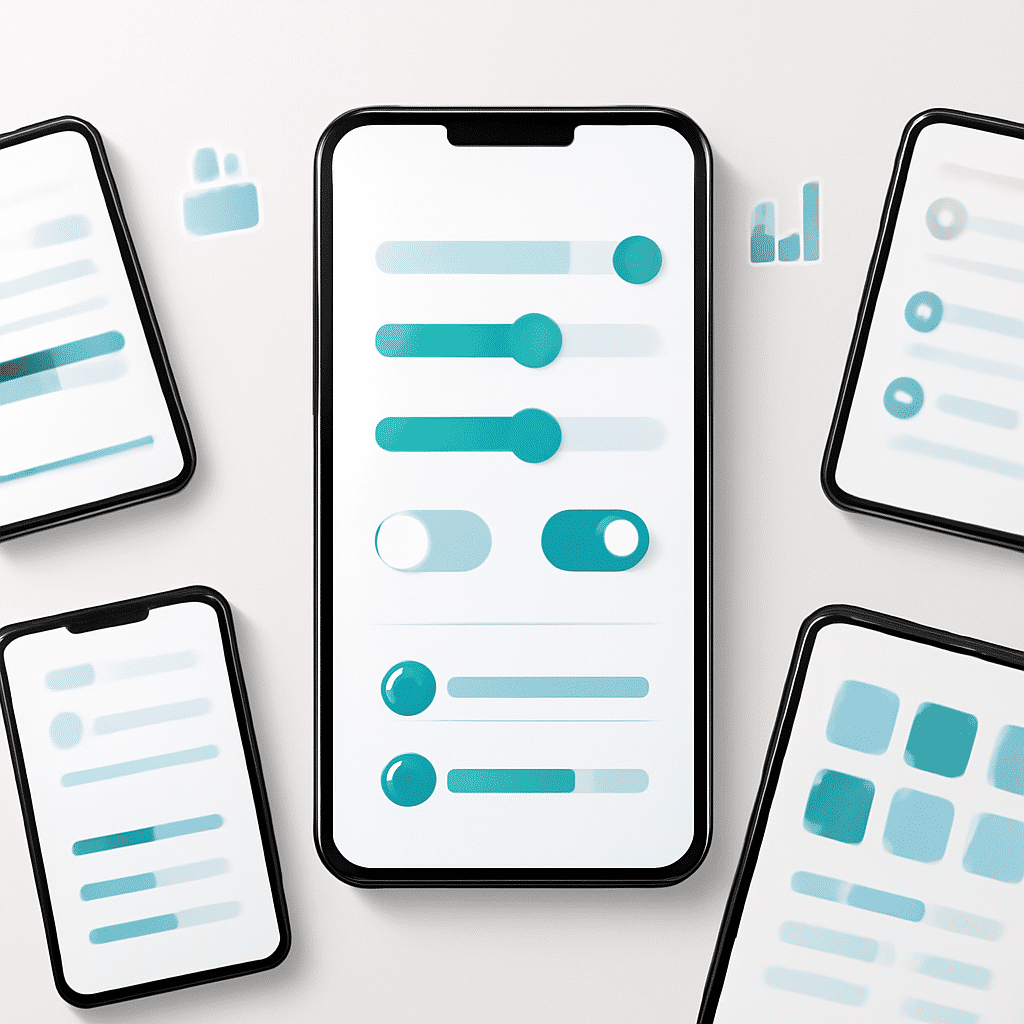
In today's fast-paced digital age, personalization is the key to creating a user-centric experience that resonates with individuals on a personal level. The growing demand for customizable features in applications is a testament to this trend. Offering settings and functions that can be tailored to an individual’s preferences not only enhances user satisfaction but also boosts engagement and loyalty. Here's how customizable features can transform your app into a tool that feels as unique as its user.
The Power of Personalization
Customization gives users the power to alter the app environment to suit their needs. By allowing users to adjust interfaces, select themes, modify settings, and dictate how information is presented, apps can cater to various preferences, making them more accessible and enjoyable. This level of personalization reassures users that their specific needs and desires are recognized and valued.
Enhancing User Experience
-
Theme and Layout Adjustments: Visual appeal is critical in retaining users, but not everyone has the same taste. Offering different themes and layout options can make an app more inviting. Whether users prefer a minimalist look, a vibrant color scheme, or a dark mode for nighttime use, such choices can significantly enhance the user experience.
-
Customizable Notifications: While notifications are essential for keeping users informed, too many can be overwhelming. Customizable notification settings allow users to choose what updates they deem essential, specify quiet hours, or even opt for different notification tones. This ensures they remain engaged without feeling disrupted.
-
Tailored Content Delivery: By allowing users to select topics of interest, filter irrelevant content, and prioritize how information appears, apps can deliver content that aligns perfectly with individual preferences. This not only makes content consumption more pleasant but also more relevant.
-
Flexible Functional Settings: Let users control the nuances of how app features operate. Whether it's adjusting the sensitivity of a swipe, setting app-specific shortcuts, or defining gesture controls, providing flexibility can lead to a smoother, more intuitive interaction tailored to each user’s habits.
Building a Unique User Relationship
Customizable features help in building a stronger connection between the user and the app. As users personalize their environments, they invest time in creating a space that mirrors their personality and needs. This investment often translates into increased loyalty and regular usage, as the app becomes a reflection of who they are and how they prefer to interact with their digital world.
Future-Proofing Your App
Incorporating customizable features isn’t just about meeting current user expectations; it’s also about future-proofing your app. As technology evolves, users will expect even more control over their digital experiences. Apps that lay the groundwork for adaptability will be better positioned to integrate new customizable technologies as they emerge.
Conclusion
In conclusion, offering customizable settings and features is more than simply a trend; it’s an essential strategy for any app aiming to provide a unique user experience. By acknowledging users’ diverse preferences and empowering them to personalize their digital interactions, apps can foster loyalty, enhance satisfaction, and ultimately succeed in an ever-competitive market. Embrace the potential of customization, and transform the way users connect with your app.